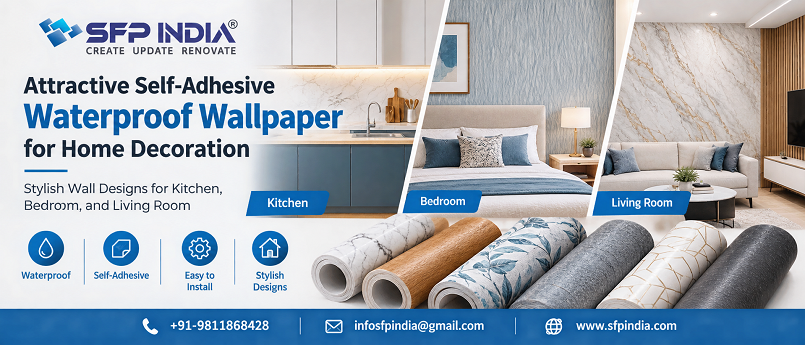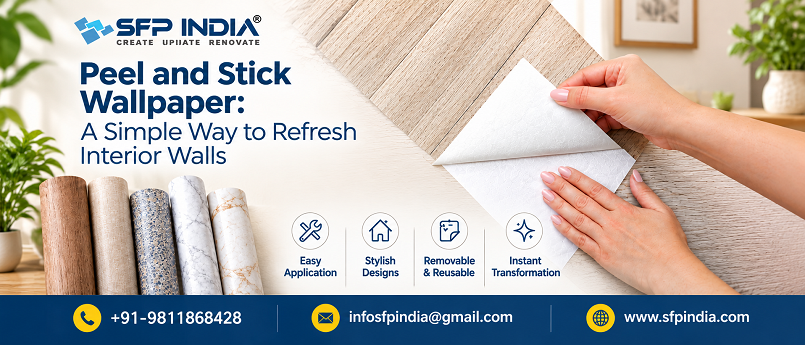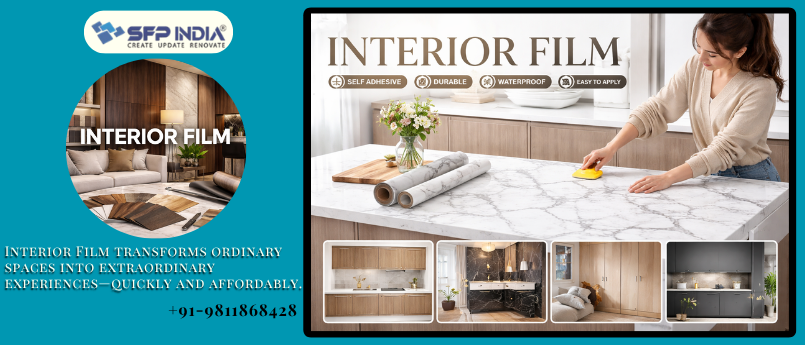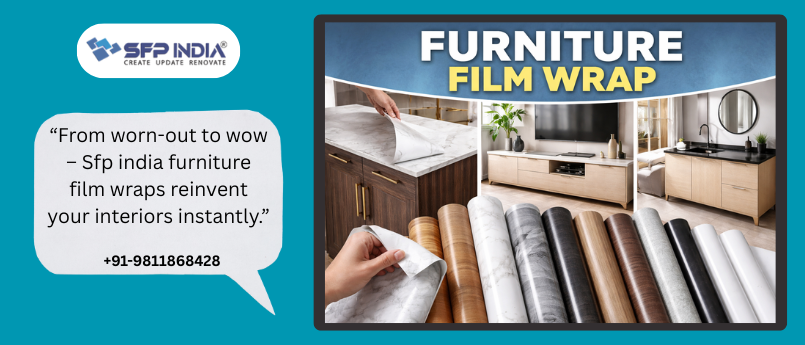
A wallpaper installation can look flawless on one wall and start peeling from another, even when the same material is used. The difference often comes down to the surface underneath. Wall texture, paint condition, moisture, dust, and adhesive compatibility all influence how well Self-Adhesive Wallpaper performs after installation.
Before selecting a design, it is important to evaluate the material of the wall and its existing finish. Smooth, properly prepared surfaces generally provide better contact with the adhesive, while rough, damp, or damaged walls can create installation problems.
SFP India offers decorative films and architectural surface solutions that help transform existing interiors without extensive rebuilding. Understanding surface compatibility is an important first step towards achieving a clean and professional finish.
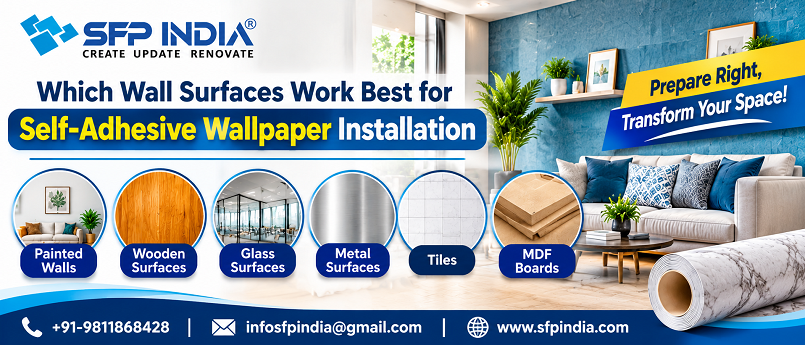
1. Smooth Painted Walls
Best for: Bedroom walls, living room feature walls, and office interiors.
Smooth painted walls are among the most common surfaces considered for self adhesive waterproof wallpaper for home installation. They provide a relatively even base, allowing the adhesive to make consistent contact with the surface.
However, the condition of the paint matters just as much as the wall itself.
Before installation:
- Ensure the paint is completely dry and properly cured.
- Remove dust, grease, and loose paint particles.
- Repair cracks, holes, and uneven patches.
- Check that the existing paint does not peel when lightly tested.
- Allow sufficient curing time after fresh painting.
Avoid applying wallpaper over weak, chalky, or flaking paint because the adhesive may pull away the paint layer during installation or removal.
2. MDF and Laminated Boards
Best for: Wardrobes, cabinets, furniture panels, and decorative interior applications.
MDF and laminated boards are useful substrates for decorative self-adhesive films and selected wallpaper products. Their relatively even surfaces can support a neat application when the material is compatible with the adhesive.
MDF is particularly useful in furniture manufacturing and interior decoration because it provides a consistent base for surface finishing.
For better results:
- Select dense, uniform MDF boards.
- Ensure the surface is free from dust and loose particles.
- Check whether the board requires a compatible primer.
- Avoid untreated edges that can absorb moisture.
- Test adhesion before covering the entire panel.
For furniture applications, the correct surface preparation helps achieve better bonding and a more consistent appearance.
3. Glass Surfaces
Best for: Glass partitions, decorative panels, office cabins, and selected interior applications.
Glass offers a smooth and even surface that can work well with compatible self-adhesive decorative films. It is particularly useful when designers want to introduce privacy, patterns, or decorative finishes without replacing existing glass panels.
Common applications include:
- Office glass partitions.
- Decorative glass panels.
- Interior doors.
- Retail display areas.
- Selected window applications.
Before installation, clean the glass thoroughly and remove fingerprints, grease, and cleaning residue. Ensure the surface is completely dry before applying the material.
For glass installations, select a product specifically designed for the intended application.
4. Metal and Stainless-Steel Surfaces
Best for: Metal cabinets, commercial furniture, counters, and selected interior panels.
Metal surfaces can provide a suitable base for compatible self-adhesive films when properly prepared. Aluminium, stainless steel, and iron panels are commonly used in decorative and functional interior applications.
However, metal surfaces may contain oil, grease, oxidation, or manufacturing residue that can interfere with adhesion.
Follow these preparation steps:
- Remove oil, grease, and other contaminants using a suitable cleaner.
- Inspect the surface for rust, dents, and irregularities.
- Smooth uneven areas where necessary.
- Remove dust and cleaning residue.
- Apply a compatible primer if required by the product instructions.
A properly prepared metal surface can help create a uniform decorative finish.
5. Smooth Wooden Surfaces
Best for: Wooden cabinets, furniture, doors, and decorative wall panels.
Wooden surfaces offer several possibilities for decorative film applications. Smooth wooden panels, sealed wood, and suitable veneer boards can provide a good base for self-adhesive materials.
However, natural wood often contains grain patterns, pores, and uneven areas that may affect the final appearance.
For better installation:
- Sand rough areas to create a smooth finish.
- Fill visible gaps and surface imperfections.
- Remove all sanding dust.
- Ensure the wood is completely dry.
- Use a suitable primer where recommended.
Unfinished or heavily textured wood may require additional preparation before installation.
6. Ceramic Tiles and Smooth Tile Surfaces
Best for: Selected kitchen surfaces, decorative panels, and suitable interior applications.
Smooth ceramic tiles can be considered for compatible self-adhesive wallpaper or decorative films. Their flat surface provides a relatively even application area.
However, grout lines can create visible depressions beneath thinner materials. Tiles with deep textures or damaged finishes may also affect the final result.
Before installation:
- Clean the tiles thoroughly.
- Remove soap residue, grease, and dirt.
- Allow the surface to dry completely.
- Check grout lines and uneven joints.
- Test the product on a small section.
For kitchen and bathroom applications, check the product's moisture-resistance specifications. Water-resistant material should not automatically be treated as suitable for continuous water exposure.
Which Surfaces Should You Avoid?
Not every wall is suitable for self-adhesive wallpaper. Some surfaces may prevent proper adhesive contact or cause premature peeling.
|
|
|
|
|
|
|
|
|
|
|
|
|
|
|
|
|
|
|
|
|
|
|
|
|
|
|
|
|
|
|
|
|
|
|
|
|
|
|
|
|
|
|
|
The final suitability always depends on the specific wallpaper or film, adhesive formulation, and manufacturer's installation instructions.
How to Prepare a Wall Before Installing Self-Adhesive Wallpaper
Even a suitable surface can produce poor results if preparation is rushed. Follow a systematic process before starting installation.
Step 1: Inspect the Existing Surface
Check for cracks, peeling paint, moisture, uneven patches, and other defects. Identify areas that need repair before applying the material.
Step 2: Clean the Surface
Remove dust, dirt, grease, and other contaminants. Use a cleaning method compatible with the substrate and allow it to dry completely.
Step 3: Smooth Uneven Areas
Use appropriate sanding and filling techniques to correct minor surface irregularities. The objective is to create an even base without visible bumps or depressions.
Step 4: Apply Primer Where Required
Some porous or difficult substrates may require a compatible primer. Follow the product manufacturer's recommendations rather than applying primer unnecessarily.
Step 5: Conduct an Adhesion Test
Apply a small sample to an inconspicuous area and check how it performs. This is particularly important for painted walls, laminated boards, and previously treated surfaces.
Step 6: Measure and Begin Installation
Measure the application area accurately, align the material, and remove the backing gradually. Use an appropriate smoothing tool to minimise trapped air and wrinkles.
Common Installation Problems and Their Causes
Understanding installation problems can help avoid unnecessary material wastage and rework.
Wallpaper Peeling from the Edges
This may happen because of dust, grease, poor surface preparation, incompatible adhesive, or insufficient pressure during application.
Air Bubbles Beneath the Material
Air bubbles can develop when the backing is applied too quickly or the material is not smoothed properly during installation.
Visible Wall Imperfections
Thin decorative materials may reveal bumps, scratches, joints, and uneven areas underneath. Surface preparation is therefore essential.
Poor Adhesion on Painted Walls
Weak paint, moisture, and incompatible coatings can prevent proper bonding. The paint condition should always be checked before installation.
Shrinkage or Lifting
Incorrect installation conditions, incompatible substrates, and insufficient preparation may contribute to shrinkage or lifting. Follow the technical guidelines for the selected product.
Self-Adhesive Wallpaper vs. Interior Decorative Films
Although both materials can improve the appearance of existing surfaces, their applications and specifications may differ.
|
|
|
|
|
|
|
|
|
|
|
|
|
|
|
|
|
|
|
|
|
|
|
|
The choice depends on the project, the material being covered, and the finish required. Product specifications should always guide the final selection.
Why Surface Compatibility Matters When Choosing SFP India Products
For architects, interior designers, contractors, furniture manufacturers, and homeowners, selecting the right decorative material is only one part of an installation project. The existing substrate and its condition also determine the quality of the finished result.
SFP India offers architectural surface materials and decorative solutions from recognised brands, including D-C-FIX, 3M, INFEEL, Samsung SOIF, and other specialised surface material ranges.
These solutions can be considered for applications such as:
- Furniture and cabinet renovation.
- Decorative wall finishes.
- Office interiors and glass partitions.
- Commercial interior surfaces.
- Retail display and decorative applications.
- Interior surface upgrades without major reconstruction.
Before choosing a particular product, check its technical specifications, recommended substrates, installation requirements, and maintenance instructions.
For projects involving large surfaces or specialised materials, consulting an experienced installation professional can also help reduce application errors.
Give Existing Surfaces a New Look with the Right Decorative Material
The success of a Peel and Stick self-adhesive wallpaper installation begins long before the material reaches the wall. Surface smoothness, paint quality, moisture conditions, and adhesive compatibility all influence the final outcome.
Smooth painted walls, MDF panels, glass, metal, and properly prepared wooden surfaces can offer suitable application possibilities when the selected product supports them. On the other hand, damp, peeling, dusty, and heavily textured surfaces usually require correction or an alternative finishing solution.
SFP India provides decorative films and architectural surface materials for residential and commercial interior projects. Explore its product collection to compare finishes and identify suitable solutions for your next surface transformation project.